
re-thinking
AURORA building, WUR Campus, Wageningen
International symposium in English
Join us for a two-day journey of co-creation! To articulate, connect, and strengthen ideas and action based on meaningful and regenerative human-nature relationships – in research, policy, practice and society.
How we relate to and engage with ”nature” is a root cause of the environmental multi-crisis – climate breakdown, biodiversity loss, and precarious lives and livelihoods – we are in. There is plenty of critique of the current situations and the paths that has led us to this point, including capitalism, colonisation, and viewing nature as a commodity – but what would be alternatives? In our landscapes many different interests and activities play a role, which calls for addressing trade-offs and synergies. How can we envision a world where humans see themselves as part of nature, and societies are oriented towards cherishing, learning, and making decisions with more than human nature in all its forms – in prosperous co-existence?
Programme overview
The two day event is not a standard academic symposium – it is designed for co-creation, where participants with different roles in society can present, probe, discuss, and connect ideas, experience and perspectives. The objective is to jointly envision “co-existence”, as a way to re-think human-nature relationships and how we can act to guide transformative change for sustainability. It will combine inspirational presentations with collaborative multi-actor workshops in four sessions of co-creating pathways towards prosperous co-existence.
The Netherlands will be our focus example, but the symposium will also substantially draw on and engage with inspiration from Europe and beyond.
February 4th
Session 1
Keynote speakers
Maria Tengö
Nature College special chair in Human-Nature Relationships in the Anthropocene, Wageningen University.
Amitav Ghosh
writer of fiction and non-fiction on a humanism of people and nature.
Elena Bennett
Canada Research Chair in Sustainability Science, McGill University.
February 4th
Session 2
Seeds of future co-existence in the present
Workshop anchoring discussion in active initiatives that nurture meaningful human-nature relationships – as seeds for future co-existence.
February 5th
Session 1
Windows of
opportunity for
amplification
Workshop reflecting on how societal structures can enable or disable visions of co-existence.
February 5th
Session 2
Concluding session
Harvesting and presenting insights towards a vision statement. A panel with keynote speakers and invited guests will share their reflections on the workshop and ways forward with Irene Lippe-Biesterfeld, founder NatuurCollege.
Sign up with your email address to express your interest in attending and stay updated on this upcoming event.
Full programme
The programme includes four sessions that explore different dimensions and perspectives on of visions of co-existence, and lead towards the development of a vision statement. Throughout the workshop, the participants will be probed to reflect on their personal connections with nature and how they would like to deepen them.
February 4th
Session 1 Thursday morning
Inspiration
We start with a set of key speakers to inspire what it could
mean to view nature and ecology, human-nature interactions, and ourselves differently – towards practice and policy for prosperous co-existence. Please note that titles are preliminary.
Keynote speakers

Maria Tengö
Opening lecture
NatuurCollege Special professor Human Nature Relationships in the Anthropocene.
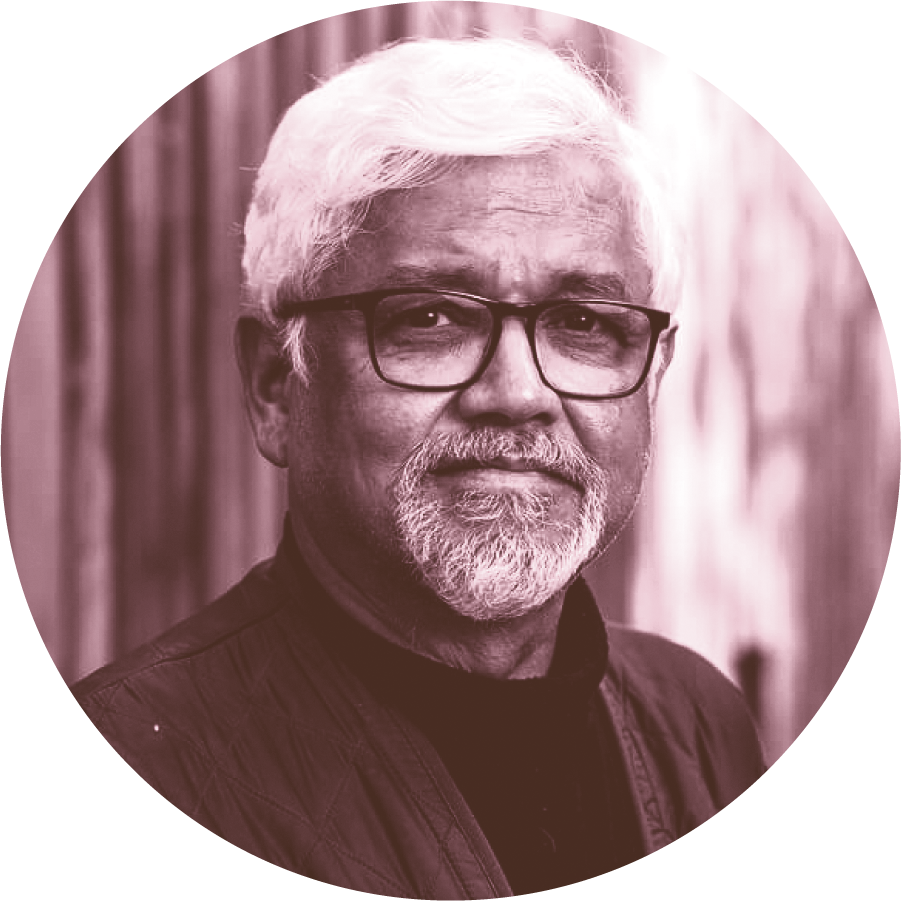
Amitav Ghosh
Writer of fiction and non-fiction on a humanism of people and nature.
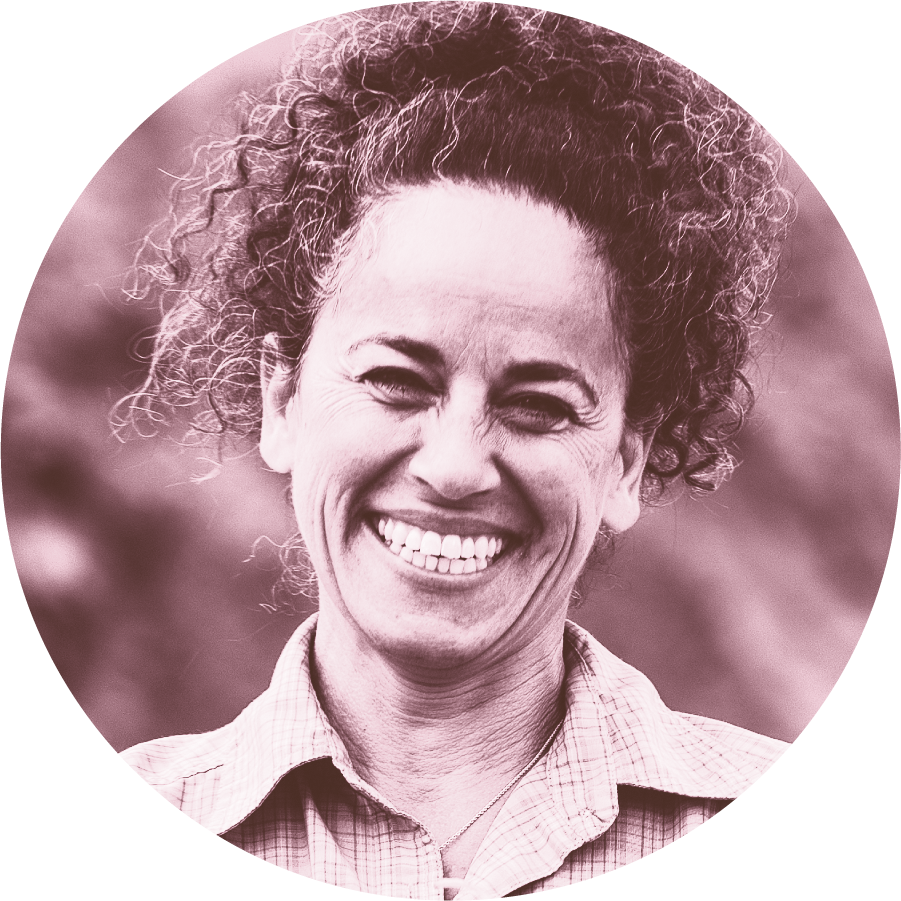
Elena Bennett
Professor Elena Bennett has the Canada Research Chair in Sustainability Science at McGill University.
February 4th
Session 2 Thursday afternoon
Seeds of future co-existence in the present
Workshop
The session will include presentations of “seeds of future co-existence in the present”, existing initiatives that nurture meaningful human-nature relationships, by actors actively involved in implementing and supporting caring practices.
In themes of: giving agency to nature, farming with nature, stewardship of places, regenerating with nature and learning nature, workshop participants will discuss and articulate the role and potential of the initiative, challenges, and opportunities for cross-fertilization.
February 5th
Session 3 Friday morning
Windows of opportunity for amplification
Workshop
The session will facilitate conversations across science-policy-practice-society – what would it mean to ”mainstream” relational values of nature and reciprocal respectful relationships in society? We start with a series of presentation covering four types of structures in society that can disable or enable change: policy, finance, law, and education.
In groups, the participants will combine this with insights from day 1 and brainstorm about pathways forward. We will discuss ways of scaling deep, changing values and motivations in society. The ambition is to connect and discuss local to global interactions.
February 5th
Session 4 Friday afternoon
Concluding session
In the final session the components of the different workshops will be brought together, starting with the presentations of the outcomes. We will work towards a shared vision state-ment on plural pathways for co-existence and prosperity of people and nature. A panel with the keynote speakers, Princess Irene and additional invited guests, will share their reflections on the workshop and ways forward.
February 6th
Masterclass by Amitav Ghosh
Following the symposium, the ambitions discussed will be
further developed and reinforced during a masterclass led by Amitav Ghosh on February 6, 2027. Focusing on a new humanism regarding humanity and nature, the session will involve around twenty invited participants drawn from the various target groups.
Organised by NatuurCollege Special Chair in Human Nature Relationships in the Anthropocene in conjunction with Forest & Nature Conservation Policy Group, Wageningen University